
26.12.10


25.12.10

14.12.10

24.11.10

25.8.10

13.8.10


5.4.10


25.5.09

30.3.09

23.2.09

11.2.09

5.1.09


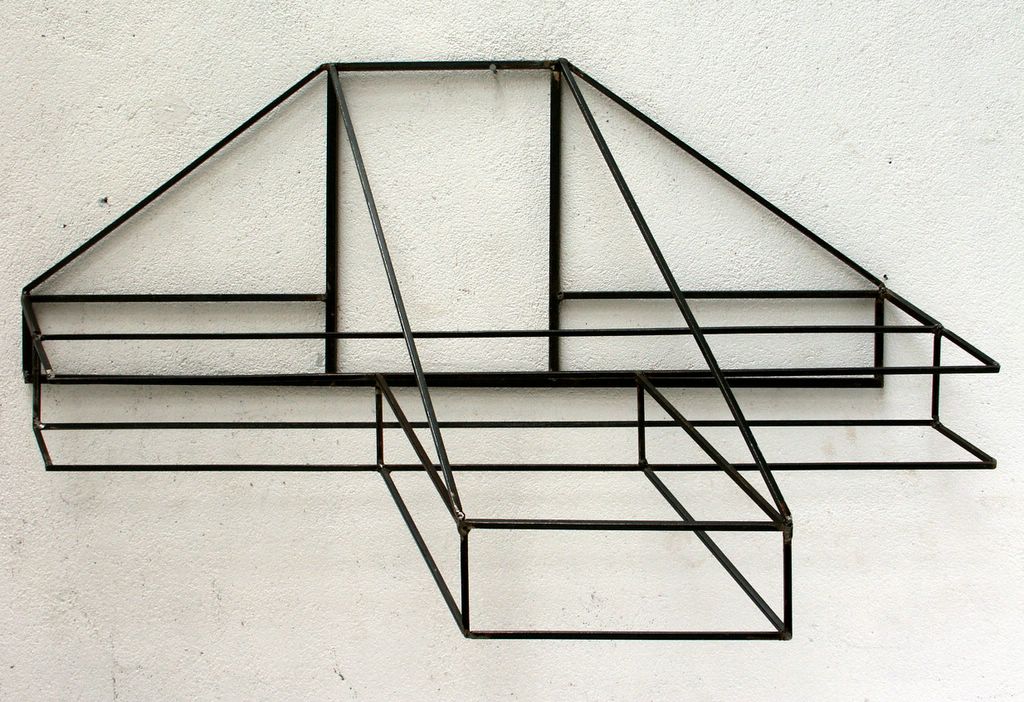
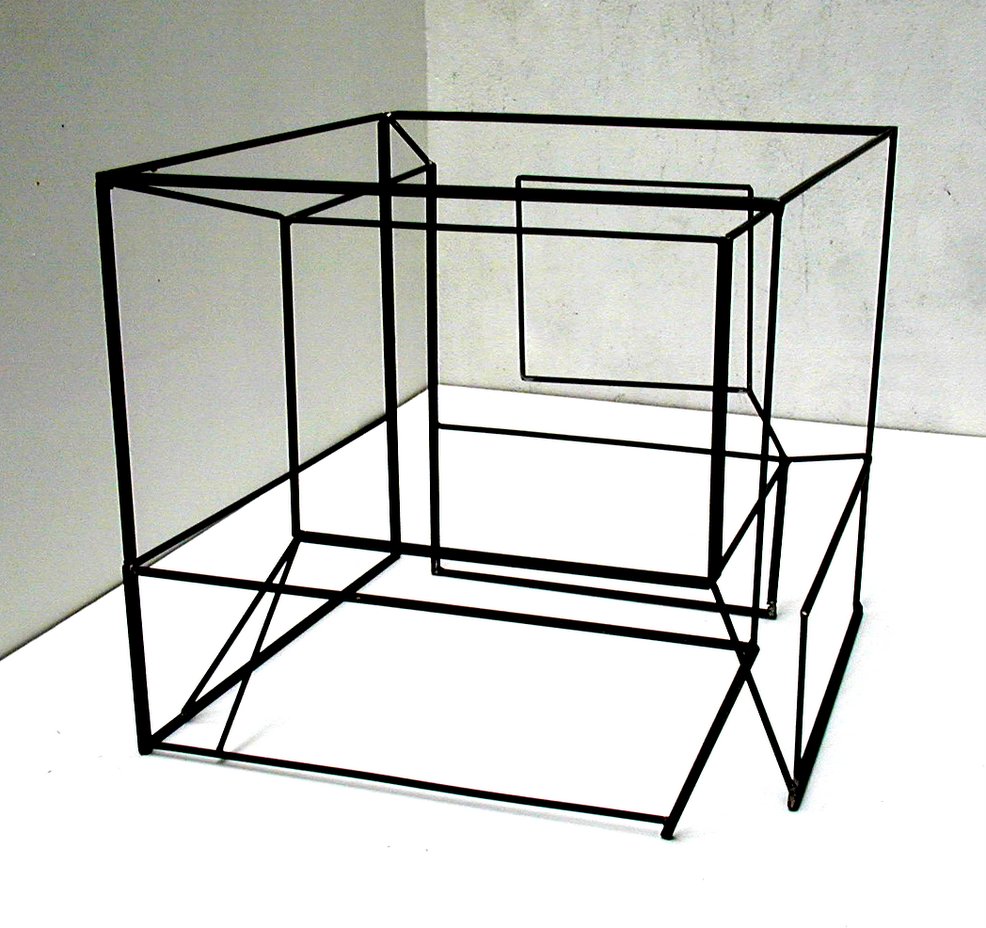
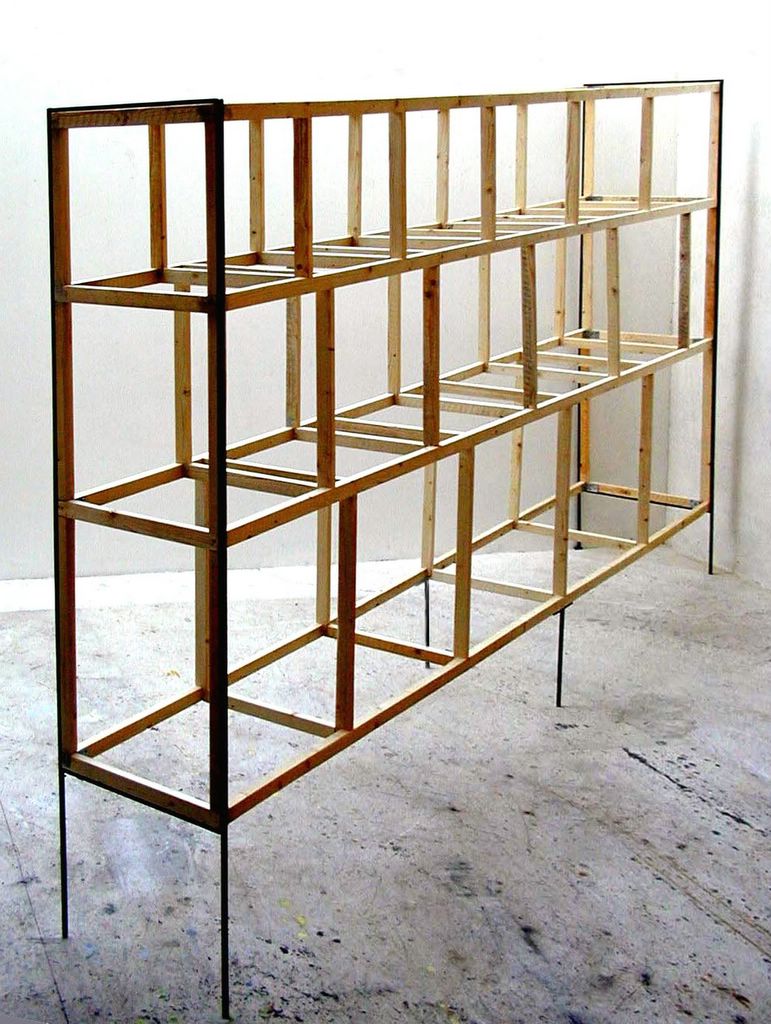
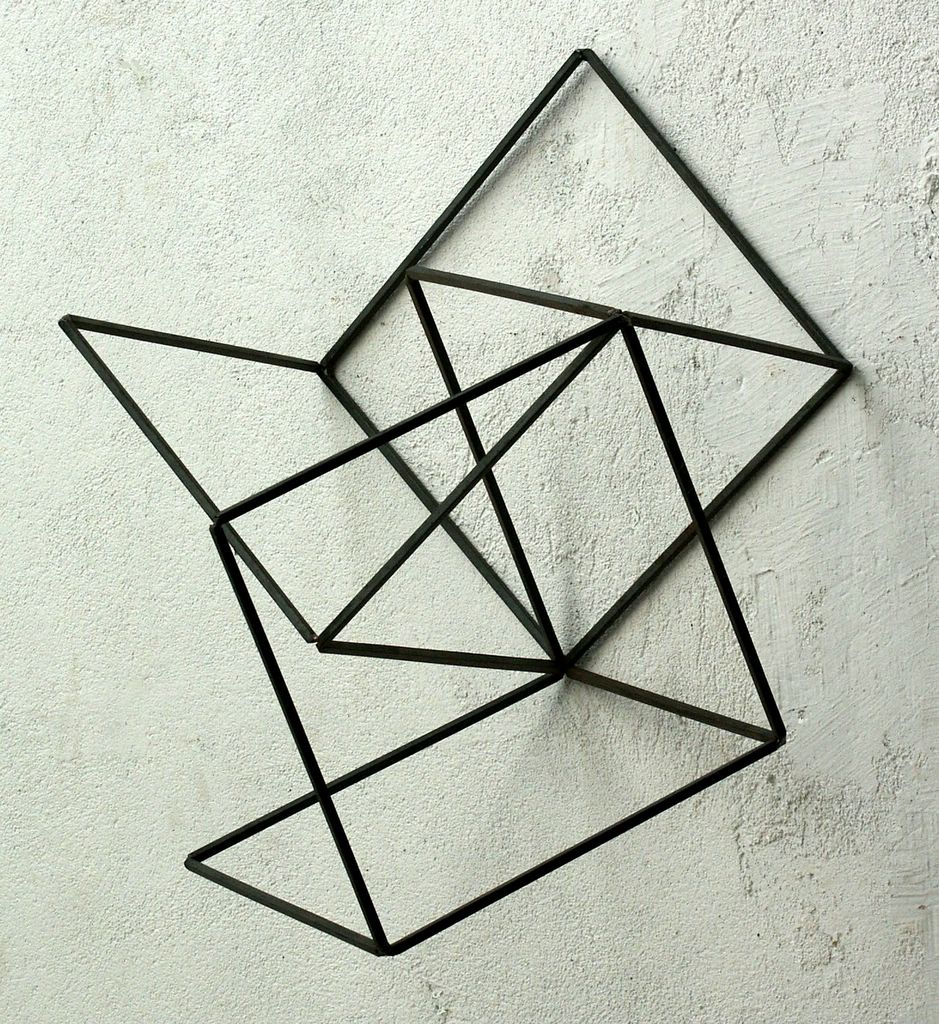
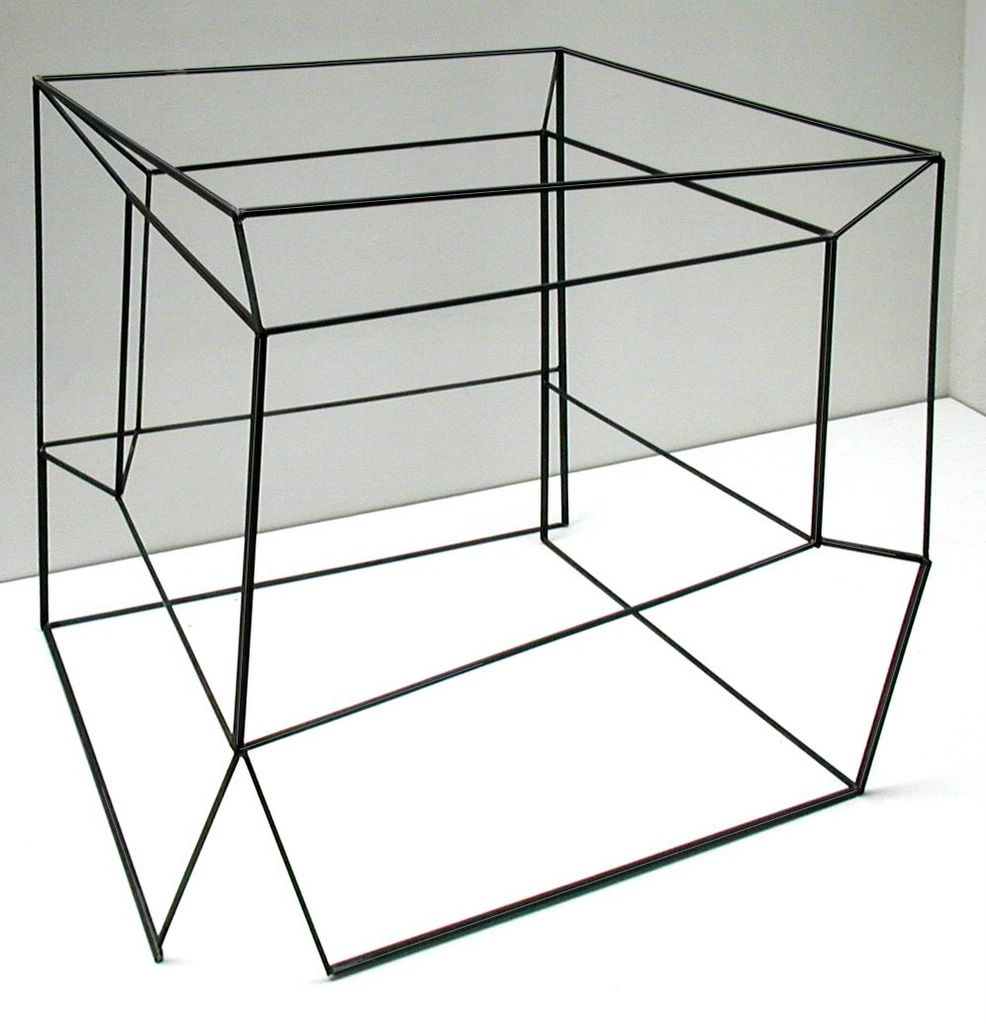
When I started welding in 1993, the cube was the fist forms to explore. Geometry is a language that belongs to whoever wants to use it. No one can possibly pretend to be the inventor of such forms, but somehow those who find joy in exploring geometry belong to the same family. Geometry has laws like a game of chess, and the beauty of the different solutions can be admired by the participants.
3.12.08

1.12.08

24.10.08

7.8.08


4.10.06
3.10.06
13.4.06

3.4.06

3.2.06

20.1.06


19.1.06
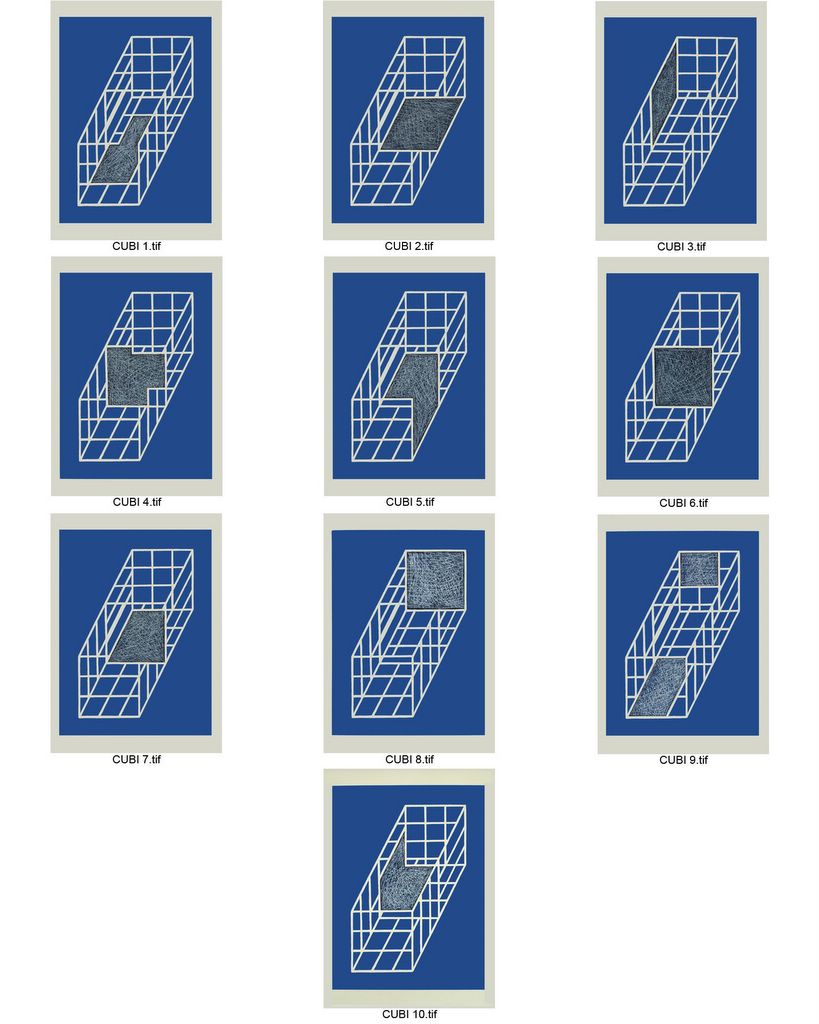
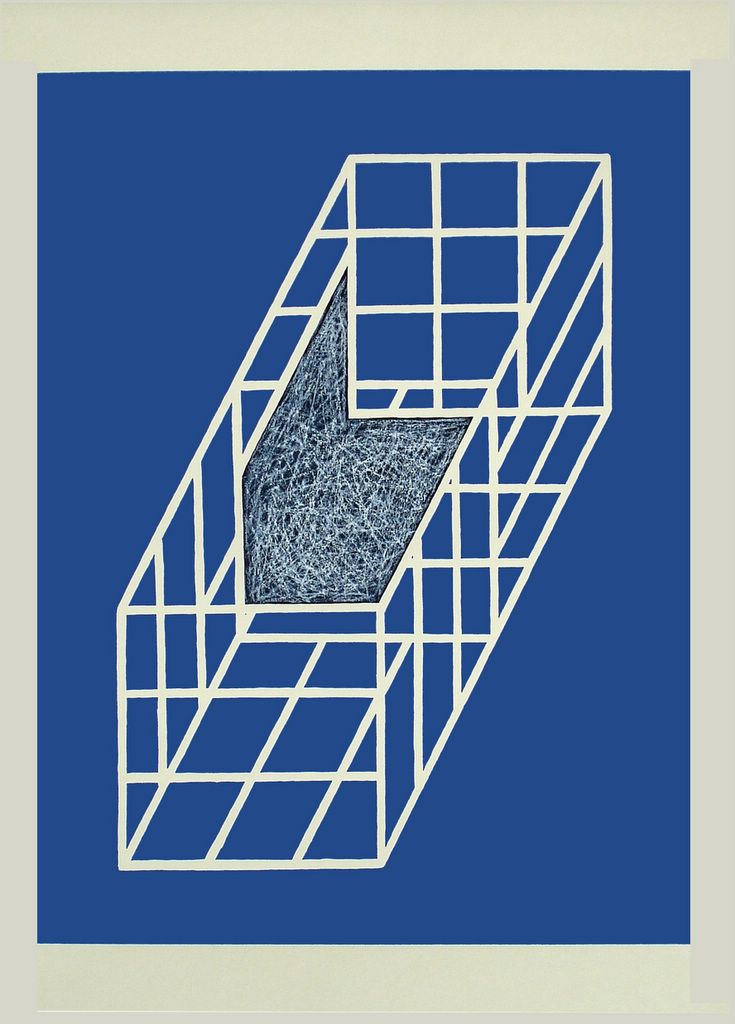
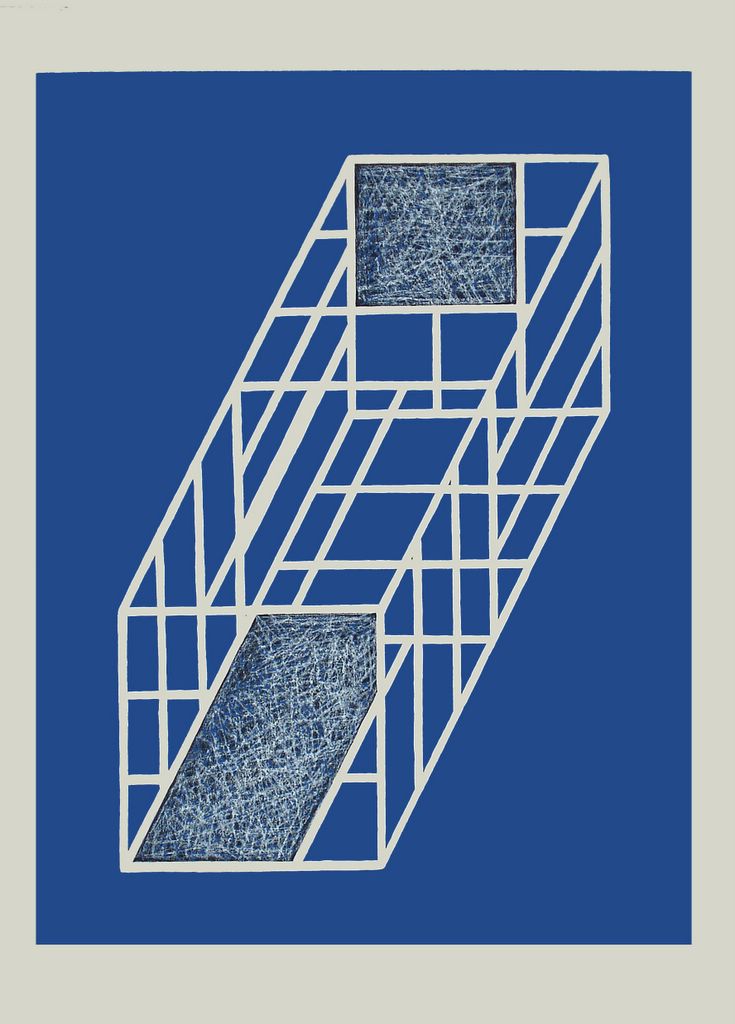
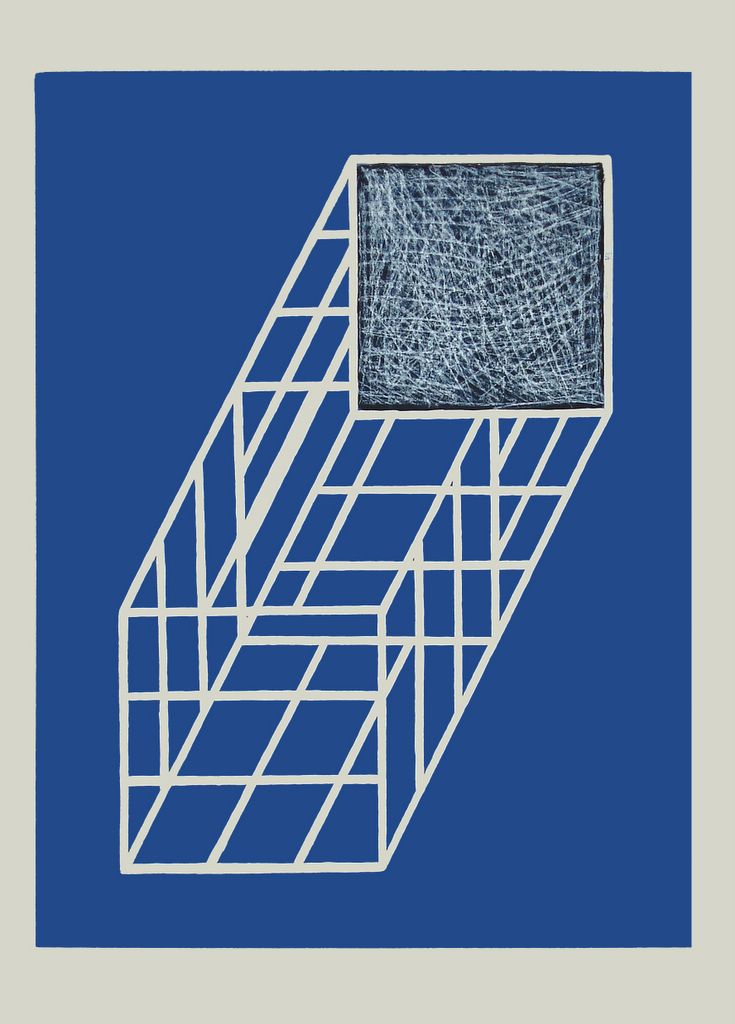
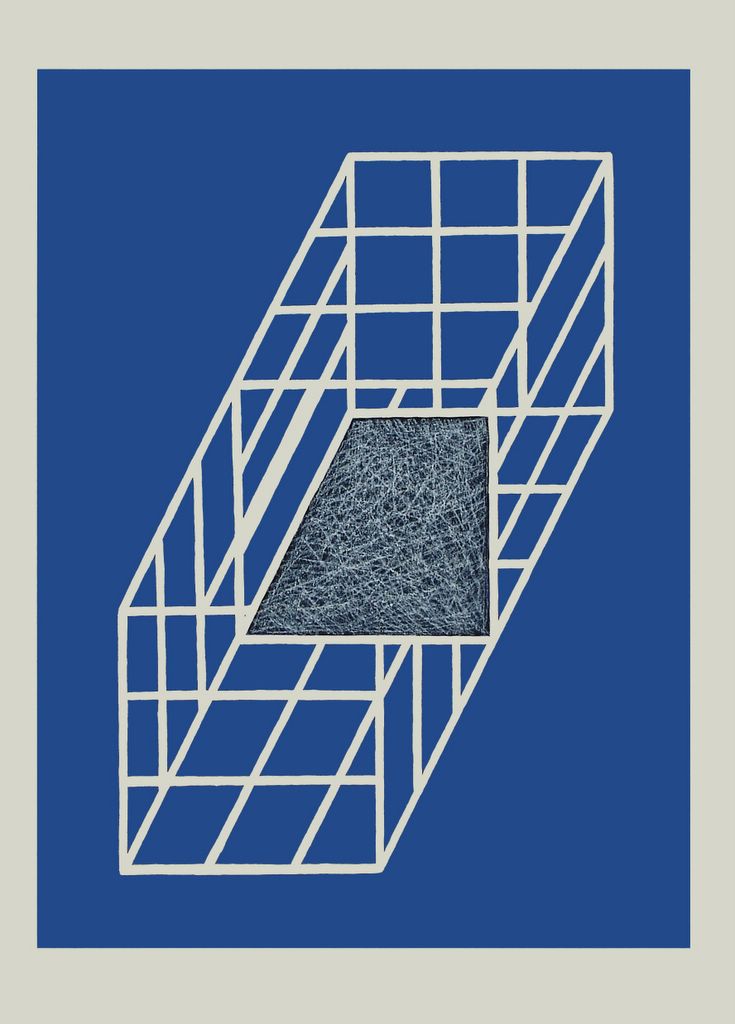
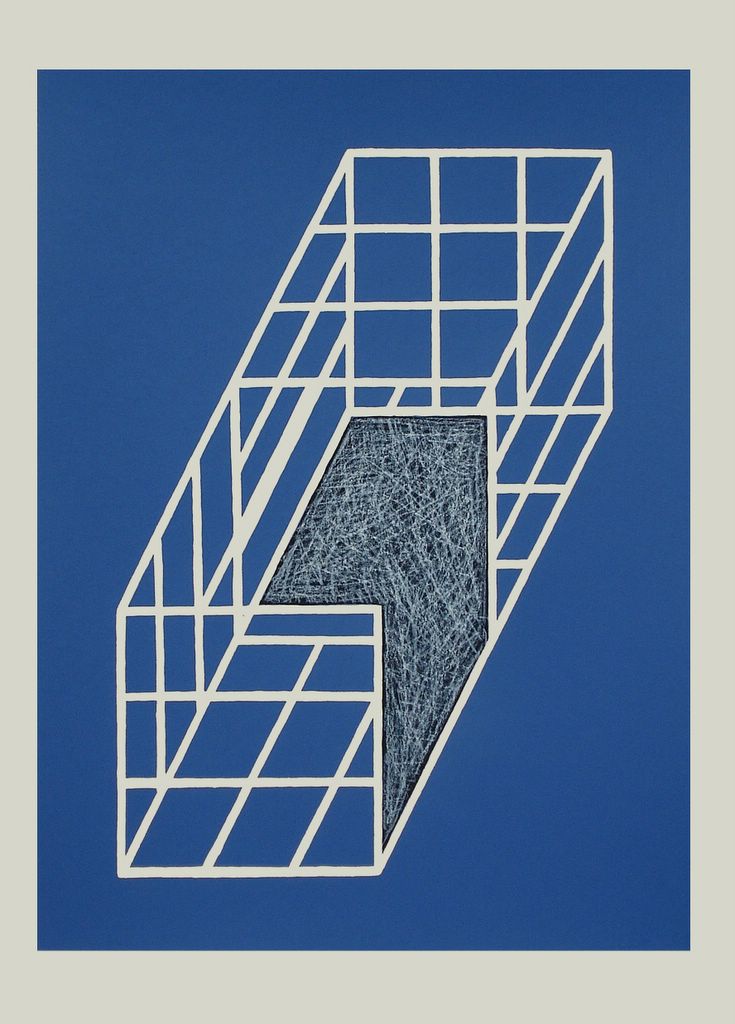
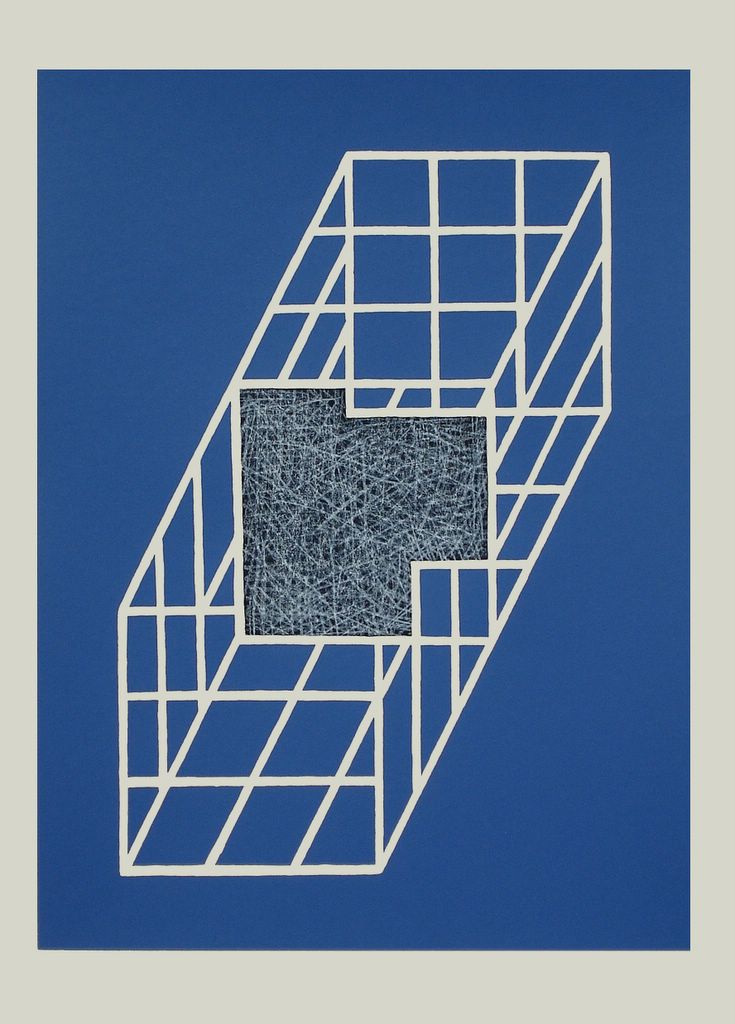
THE CUBI SERIES
was initiated as plain silkscreen prints, blue and black on white or chamois paper. They were printed in the studio and put aside for some years until the idea to continue the work came up. The simple logic of geometry seemed too evident, something absurd was needed.
Printmaking is a profession with rules. The printer himself is normally a person who loves to see his work reproduced endlessly. The edition is supposed to be signed, numbered and limited to items that are perfectly identical. But after all, the freedom of hand-colouring seems to be accepted. Each print is given a unique attention and a special treatment that lifts it out of the repetitive slavery of larger editions.
Printmaking is a profession with rules. The printer himself is normally a person who loves to see his work reproduced endlessly. The edition is supposed to be signed, numbered and limited to items that are perfectly identical. But after all, the freedom of hand-colouring seems to be accepted. Each print is given a unique attention and a special treatment that lifts it out of the repetitive slavery of larger editions.
18.1.06

17.1.06



16.1.06
15.1.06
3.10.05
Subscribe to:
Posts (Atom)